ISES Review – A lot of nothing.
In the immortal words of Namawee – Talk East, Talk West, Talk Kok.
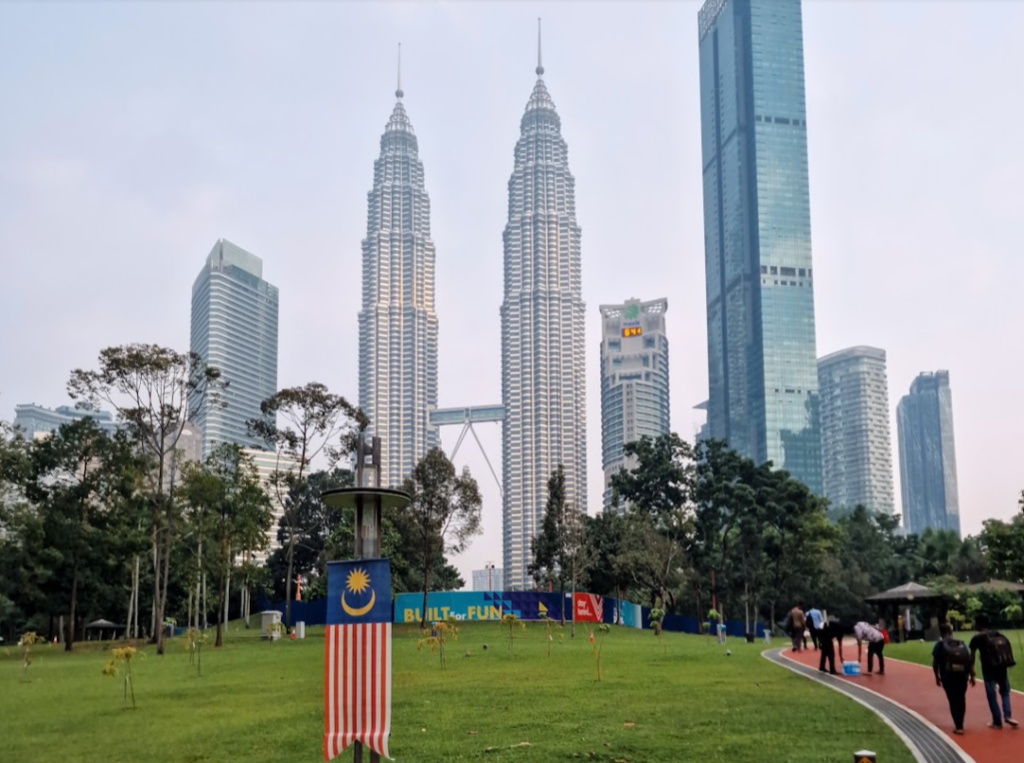
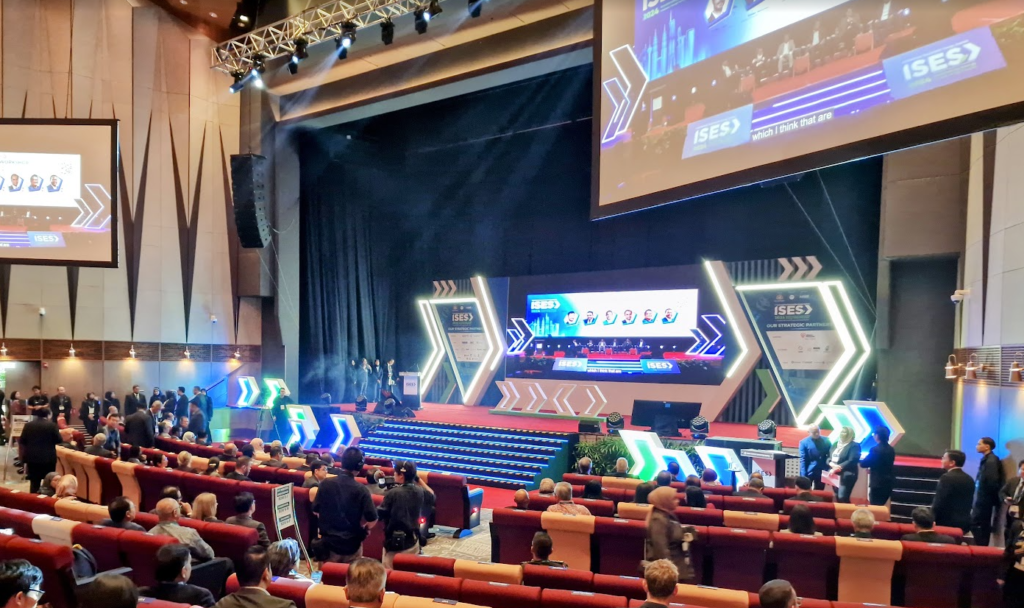
We spent today listening to a lot of empty words hiding the true facts and until this is fixed…
Our friend at Ecoladang.com created this interesting podcast discussing ISES 2026
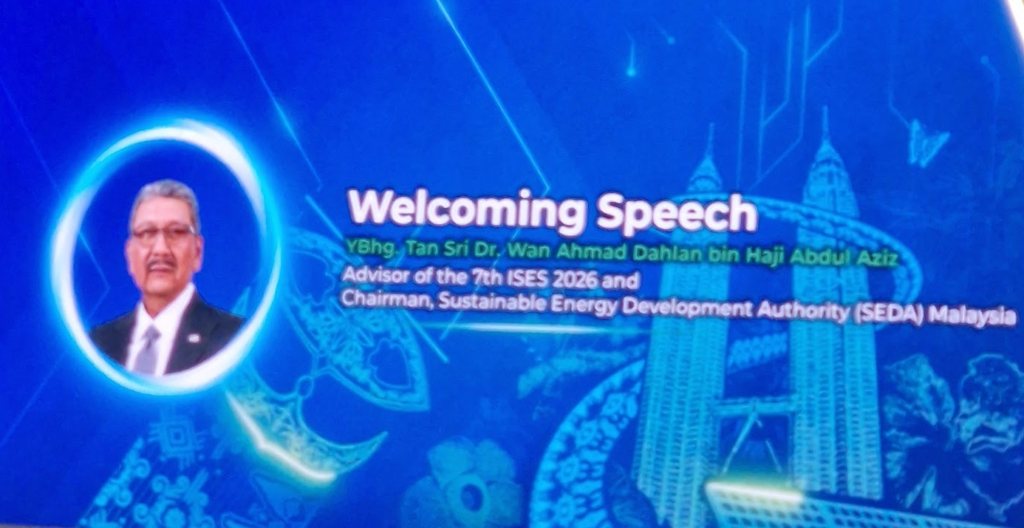
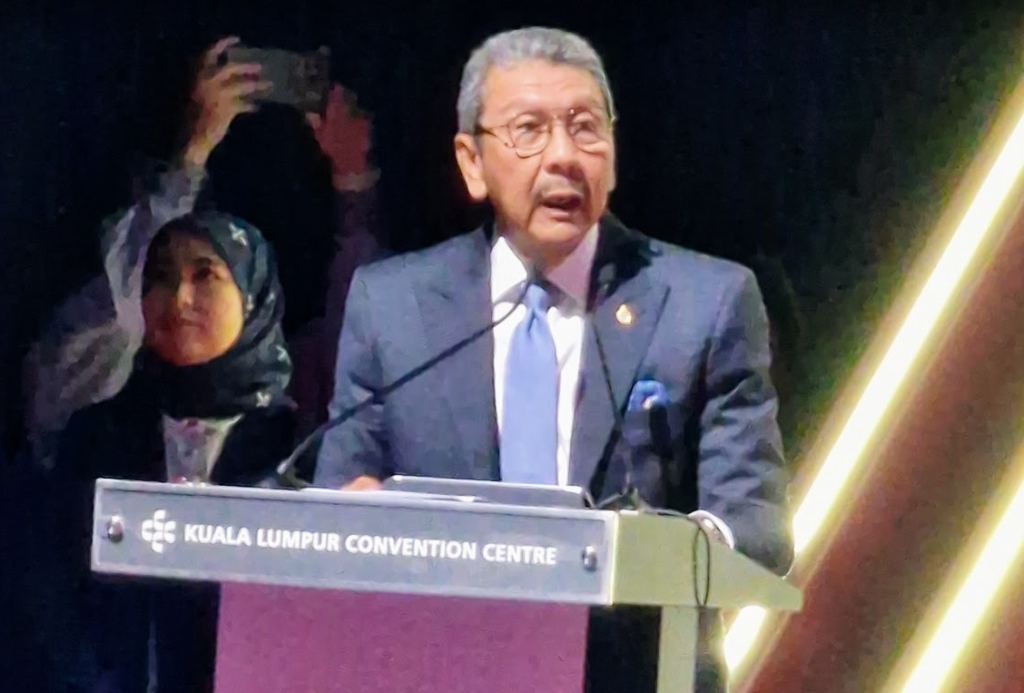
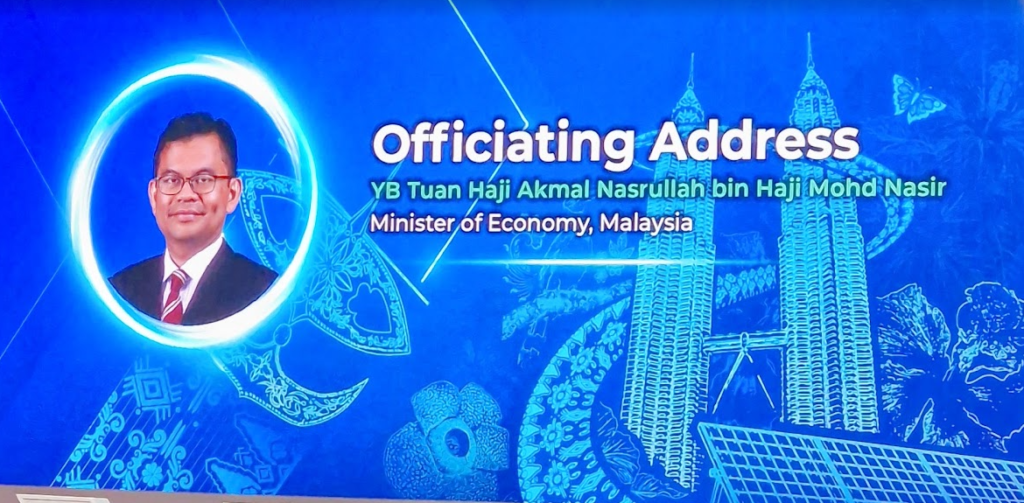

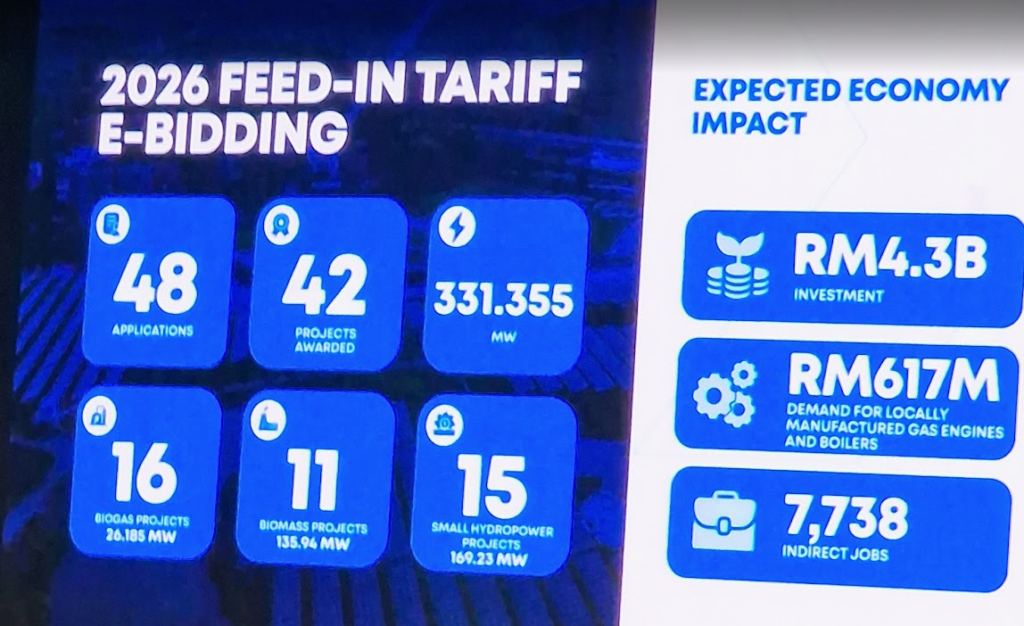




Here are the key questions we asked Gemini Pro based on what we heard today and it does not mince words when it comes to Neema 2.0
We are at ISES in KLCC today and listening to Sustainable Energy Beyond Borders. Our question is can the Malaysia national grid integrate with neighbours. What are the technical hurdles?
Yes, the Malaysia national grid can absolutely integrate with its neighbors—in fact, it is already happening and is a central focus of the RM4.3 billion renewable energy initiatives announced at ISES today.
Malaysia sits at the strategic center of the ASEAN Power Grid (APG), an initiative aiming to fully interconnect the region by 2045. We already have bilateral connections with Thailand and Singapore, and pilot programs like the Laos-Thailand-Malaysia-Singapore Power Integration Project (LTMS-PIP) have proven that multilateral cross-border power trading is technically feasible.
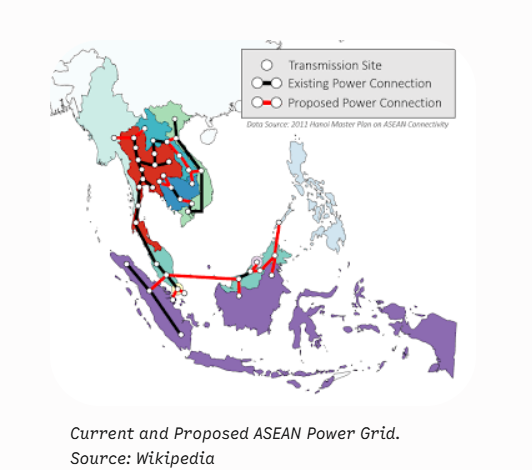
However, scaling these connections from controlled pilot projects to a region-wide open market involves significant technical hurdles.
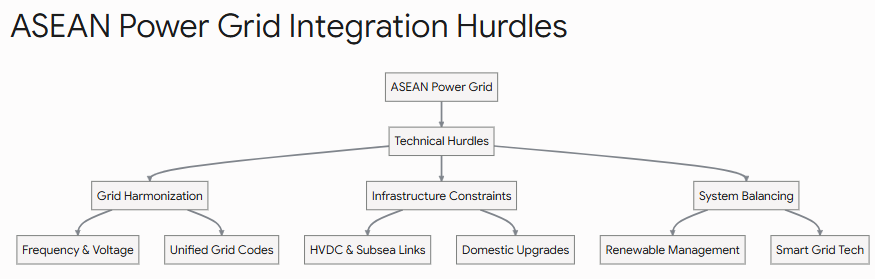
The Core Technical Hurdles
- Grid Harmonization and Synchronization Neighbouring countries operate on different grid codes, voltage levels, and frequencies. Before electricity can flow freely and automatically, these underlying technical standards must be harmonized. Without precise synchronization, a disruption or fault in one country’s grid could trigger cascading instability across the region.
- Infrastructure and Transmission Constvraints Malaysia’s existing domestic transmission infrastructure requires massive upgrades to handle large-scale electricity imports and exports safely. Furthermore, connecting separate landmasses across ASEAN requires deploying highly expensive High-Voltage Direct Current (HVDC) subsea cables to minimize power loss over long distances.
- Balancing Intermittent RenewablesAs Malaysia and its neighbours add more solar and hydro to the mix, grid stability becomes much harder to maintain because renewable generation fluctuates. Managing this intermittency across borders requires deploying advanced smart grid technologies, utility-scale battery storage, and real-time digital load-balancing systems to ensure supply constantly matches demand.
While these technical challenges are steep, energy experts at the summit note that regulatory and political hurdles—such as harmonizing tariffs and establishing common market rules—are just as critical to solve.
Expand on point 2 and factually state why Malaysia is behind and why they are not catching up?
While Malaysia is geographically positioned to be the transit hub of the ASEAN Power Grid (APG), its physical infrastructure is struggling to support that ambition. To understand why Malaysia is lagging—and why closing the infrastructure gap is proving so difficult—it is necessary to look beyond the physical cables and examine the financial and regulatory bottlenecks that stall development.
The Physical Infrastructure Gap
Malaysia’s existing domestic grid was originally built for centralized, one-way power distribution from large fossil-fuel plants, not for the multi-directional, intermittent flow of renewable energy from neighbouring countries. Upgrading this transmission system to accommodate massive international loads and fluctuating renewables requires significant capital.
Furthermore, connecting Malaysia to the broader region—such as proposed links between Peninsular Malaysia and Sarawak, or directly to Sumatra—requires deploying High-Voltage Direct Current (HVDC) subsea cables. These are highly expensive and technologically complex to install across large bodies of water.
Why Progress is Stalled
Despite recognizing these physical gaps, Malaysia is struggling to catch up for three primary reasons:
- Subsidized Tariffs Deter Private Capital: Building the APG and upgrading domestic grids is estimated to be a $764 billion endeavour region-wide by 2040. Governments and development banks cannot fund this alone; heavy private sector investment is mandatory. However, Malaysia’s electricity market is highly regulated and relies on subsidized tariffs. Without transparent, cost-reflective pricing, private investors are hesitant to fund massive grid infrastructure because the return on investment is clouded by government subsidies and fragmented regulations.
- Multilateral Gridlock Over “Wheeling” Costs: Infrastructure sits idle when nations cannot agree on how to monetize it. A prime example is the Laos-Thailand-Malaysia-Singapore (LTMS) power integration project. The project hit a major roadblock because the parties could not agree on the terms to extend their initial 2022 deal—specifically, how to calculate the transmission (or “wheeling”) costs for energy passing through Thailand and Malaysia to reach Singapore. Due to these disagreements, cross-border electricity wheeling practically ground to a halt.
- Subsea and Maritime Governance Complexities: Deploying HVDC cables across the South China Sea or the Strait of Malacca is not just a financial hurdle; it is a geopolitical and legal one. Europe’s successful grid integration relied heavily on coordinated maritime governance. In ASEAN, the lack of a cohesive subsea power cable framework and the complexities of overlapping maritime jurisdictions make planning, financing, and executing these multi-billion-dollar infrastructure links agonizingly slow.
Ultimately, the physical wires cannot be effectively upgraded until the region agrees on standardized rules for who pays for the transit, and until domestic tariff structures are reformed to attract the necessary private capital.
Explain in detail and factually how many primary power generation stations Malaysia has and why they have not been upgraded and how to solve this issue
To understand the inertia in Malaysia’s power sector, we have to look at the scale of its existing infrastructure and the financial mechanisms that keep it running.
Malaysia’s Power Generation Fleet
As of recent Energy Commission and industry data, Malaysia operates 54 utility-scale power plants with a combined installed capacity of roughly 26,000 Megawatts (MW).
The national grid is overwhelmingly dominated by large-scale, centralized fossil fuel generation. The current energy mix in Peninsular Malaysia sits at approximately 49% coal, 42% natural gas, and only about 9% combined hydro and solar.
The bulk of this power comes from massive “primary” stations. The five largest are:
| Power Station | Location | Capacity (MW) | Primary Fuel |
| Sultan Azlan Shah (Manjung) | Perak | 4,080 | Coal |
| Tanjung Bin | Johor | 3,100 | Coal |
| Bakun Dam | Sarawak | 2,400 | Hydroelectric |
| Edra Melaka | Malacca | 2,242 | Natural Gas |
| Sultan Salahuddin Abdul Aziz (Kapar) | Selangor | 2,200 | Coal / Gas |
Why Upgrades and Modernization Have Stalled
The hesitation to upgrade these primary stations to accommodate modern, green grid standards stems from three intersecting challenges:
- The “Baseload” Engineering Trap: These massive coal and gas plants were engineered in the 1990s and 2000s to operate as “baseload” generators—meaning they are designed to run constantly at maximum output. They lack the technical flexibility to rapidly spin up or power down to balance the intermittent peaks and valleys of renewable energy like solar. Retrofitting a legacy coal plant for this kind of rapid cycling is technologically difficult and causes severe wear and tear on the turbines.
- Long-Term Power Purchase Agreements (PPAs): Malaysia operates on a “single-buyer” model where Tenaga Nasional Berhad (TNB) buys all electricity. Decades ago, to attract Independent Power Producers (IPPs), the government signed rigid, 20- to 25-year PPAs that guarantee capacity payments whether the energy is used or not. Retiring or significantly altering these plants before their contracts expire triggers massive financial penalties and stranded asset risks.
- Subsidized Tariffs vs. High Capital Expenditure: Transitioning these plants (e.g., retrofitting gas turbines to be hydrogen-ready) or upgrading the transmission lines to handle decentralized renewables requires immense capital. Because Malaysia heavily subsidizes retail electricity tariffs, utility companies historically struggled to generate the surplus revenue required to fund these multi-billion-ringgit upgrades without passing the cost directly to the consumer.
How the Issue is Being Solved
To break this deadlock and meet the National Energy Transition Roadmap (NETR) target of 70% renewable capacity by 2050, Malaysia is currently deploying a three-pronged solution:
1. Massive Grid Injection (The 2025–2027 Plan)
In late 2024, driven by a sudden 11,000 MW surge in demand from foreign data centers, TNB committed to a massive $10.3 billion (RM 45 billion) investment over the next three years. This capital is strictly earmarked for grid modernization, deploying Battery Energy Storage Systems (BESS), and upgrading substations to handle the fluctuating loads of new renewable inputs.
2. Market Liberalization (CRESS)
In September 2024, the government launched the Corporate Renewable Energy Supply Scheme (CRESS). For the first time, this bypasses the single-buyer monopoly. It allows third-party renewable energy producers to negotiate tariffs and sell electricity directly to corporate buyers (like data centers and factories), paying TNB only a “wheeling” or grid access charge. This injects private capital into generation without requiring government subsidies.
3. Phased Retirements and “Bridge” Fuels
Rather than ripping out existing infrastructure, the government is honouring existing coal PPAs until they naturally expire (the last coal plant is slated to close by 2044), while strictly banning any new coal construction. In the interim, newer Combined-Cycle Gas Turbines (CCGT) are being positioned as the “bridge” fuel, with mandates that any future gas plant upgrades must be technically capable of co-firing green hydrogen once the regional supply chain matures.
Please look at this document, published today, called Neeap 2.0 and see if the issues above has been addressed.
Based on the details of the National Energy Efficiency Action Plan 2026–2035 (NEEAP 2.0) launched today at the 7th International Sustainable Energy Summit (ISES) in Kuala Lumpur [cite: 1.1.3], the short answer is no, it does not directly solve the supply-side infrastructure and generation issues we discussed.
Here is why: the issues with cross-border grid integration, legacy coal plants, and restrictive Power Purchase Agreements (PPAs) are supply and transmission challenges. NEEAP 2.0 is strictly a demand-side strategy [cite: 1.2.2].
Instead of addressing how power is generated or transmitted, NEEAP 2.0 focuses entirely on how power is consumed.
Here is a breakdown of what NEEAP 2.0 actually addresses and how it relates to our previous discussion:
What NEEAP 2.0 Actually Does
Launched by the Ministry of Energy Transition and Water Transformation (PETRA), NEEAP 2.0 targets a massive reduction in how much electricity Malaysia uses.
The Business Times
- The Core Target: The plan aims to reduce national energy demand by 11.6% by 2035 [cite: 1.2.2].
- Financial and Carbon Savings: It targets around US$21.5 billion in energy savings and aims to cut 26.1 million metric tons of CO2-equivalent emissions [cite: 1.2.2].
- The Enforcement Mechanism: It is heavily tied to the Energy Efficiency and Conservation (EECA) Act, which came into effect on January 1, 2025, to strictly monitor and regulate large energy consumers, manufacturers, and commercial buildings. Scribd
How it Relates to the Previous Issues
Because it is a demand-side policy, NEEAP 2.0 leaves the heavy physical infrastructure issues to other frameworks like the National Energy Transition Roadmap (NETR) and TNB’s capital expenditure plans.
- Cross-Border Grid & Subsea Cables: NEEAP 2.0 does not address the ASEAN Power Grid, HVDC subsea cables, or cross-border wheeling tariffs.
- Upgrading Legacy Power Plants: It does not provide mechanisms to retrofit the 26,000 MW of fossil fuel plants or buy out legacy PPAs.
- Tariffs and Capital: While it doesn’t solve the issue of subsidized tariffs blocking private grid investment, it forces large corporations to lower their energy bills through strict efficiency audits rather than relying on cheap subsidized power [cite: 1.2.4].
The Indirect Benefit to the Grid
While NEEAP 2.0 doesn’t build new wires or upgrade coal plants, it acts as a critical “pressure release valve.” Malaysia is currently facing a massive surge in power demand due to a boom in AI data centers and infrastructure [cite: 1.2.2].
By forcing the rest of the country (commercial buildings, manufacturing, residential) to cut their power consumption by 11.6% [cite: 1.2.2], NEEAP 2.0 prevents the national grid from being overloaded. This buys the government and TNB vital time to execute the billions of dollars in physical grid upgrades and renewable deployments required to eventually integrate with the rest of ASEAN.
Https://www.petra.gov.my/v2/article?id=neeap20
Based on the webpage provided from the Ministry of Energy Transition and Water Transformation (PETRA), it is a landing page for the National Energy Efficiency Policy and Action Plan 2026-2035 (NEEAP 2.0).
If there were no artificial and political constraints and given the 5.3% growth in GDP and the absolute urgency of this matter how would you, based on what other countries are doing, solve this challenge
If we remove political protectionism, legacy monopolies, and bureaucratic red tape, and instead leverage Malaysia’s robust 5.3% GDP growth to secure massive sovereign financing, the solution transitions from a slow diplomatic negotiation into a ruthless, pure engineering and market deployment.
Here is how you would solve Malaysia’s grid crisis with absolute urgency, adapting the most aggressive and successful models from around the world.
1. Unbundle the Grid (The European “ENTSO-E / Nord Pool” Model)
The Action: Force the structural break-up of the utility monopoly.
The Rationale: Currently, the system is hindered by a single-buyer model where the entity that owns the grid also generates and sells the power. This creates an inherent conflict of interest when attempting to integrate third-party renewable developers or execute cross-border trades.
The International Precedent: Following the European Union’s energy market directives, Malaysia would mandate the total unbundling of transmission from generation. You establish an Independent System Operator (ISO) whose sole mandate is to maintain the wires and facilitate trade, charging a transparent, standardized “wheeling tariff.” This instantly resolves the cross-border gridlock; the grid becomes an open, regulated toll road rather than a guarded monopoly, laying the foundation for a seamless ASEAN power market functioning like Europe’s highly efficient Nord Pool.
2. Deploy Mega-Batteries as “Virtual Transmission” (The “Australian Waratah” Model)
The Action: Install gigawatt-scale Battery Energy Storage Systems (BESS) at highly congested grid nodes (like Johor and the Klang Valley) and border interconnectors.
The Rationale: Permitting and building new high-voltage transmission pylons takes 5 to 10 years; batteries can be deployed in 12 to 18 months to act as instant grid buffers.
The International Precedent: As coal plants retire in New South Wales, Australia, the government commissioned the Waratah Super Battery (850MW / 1680MWh). It does not just store energy; it is programmed as a “System Integrity Protection Scheme” (SIPS)—a giant shock absorber. It allows the grid operator to run existing transmission lines at much higher capacities because if a sudden surge or fault occurs, the battery instantly absorbs it. Malaysia can use this exact model to safely jam massive amounts of intermittent solar and new data center loads into the current grid without waiting a decade for physical wire upgrades.
3. Blanket the Region in UHVDC (The “China State Grid” Model)
The Action: Fast-track the deployment of Ultra-High Voltage Direct Current (UHVDC) interconnectors, specifically linking Sarawak’s massive hydropower reserves to Peninsular Malaysia, and bridging the Strait of Malacca to Sumatra.
The Rationale: Standard Alternating Current (AC) lines lose too much power over long distances and cannot be synchronized easily across borders. UHVDC acts as an energy superhighway with minimal losses.
The International Precedent: China solved its spatial mismatch—having abundant wind and solar in the western deserts but massive power demand in the eastern coastal megacities—by deploying a continental-scale UHVDC network. By treating transmission as an absolute national security imperative, they bypassed standard zoning delays. Using its fiscal headroom, Malaysia would rapidly fund UHVDC subsea cables, unifying its own fractured domestic grid and establishing hard, high-capacity pipelines to its neighbours.
4. Aggressive PPA Buyouts (The “Just Energy Transition” Model)
The Action: Utilize the strong GDP growth to issue sovereign green bonds and forcefully buy out the legacy 25-year coal Power Purchase Agreements (PPAs).
The Rationale: The grid is technologically trapped by inflexible financial contracts that legally mandate coal plants to keep burning, preventing the integration of cheaper, flexible renewables.
The International Precedent: Similar to the Just Energy Transition Partnerships (JETP) being tested in South Africa and Indonesia—but executed much faster due to Malaysia’s stronger economic standing—the government would securitize the debt and buy the IPP contracts out at a negotiated rate. Instead of waiting until 2044 for the coal plants to naturally retire, this forces the immediate retrofitting of these legacy plants. The massive turbines can be repurposed to provide synchronous grid stability (spinning reserve) without burning coal, and the sites instantly become massive renewable hubs because they already hold the most valuable asset: heavy-duty connections to the national grid.
By treating the grid as an open software platform (unbundling), upgrading the hardware backbone (UHVDC), installing buffers (Mega-Batteries), and paying off the technical debt (PPAs), the physical infrastructure could finally match the region’s economic ambition.Inside China’s Desert Grid: Moving Power via UHVDC
This documentary-style breakdown explores how UHVDC technology is used to move massive amounts of renewable energy across continental distances, directly mirroring the infrastructure scale needed to make the ASEAN Power Grid a reality.
A plug for our primary partner Ecoladang Micro Farms
Please take a look at ecoladang micro farms – (www.ecoladang.com) and all things being equal, provide your feedback on whether this concept, once rolled out to a larger scale in Malaysia would help with rural energy, job creation trough TVET and its vision of working with the environment will help in the objectives and mission of Neema 2.0. Be as objective as possible.
Based on an objective analysis of the Ecoladang Micro Farms architectural and operational model (as detailed on ecoladang.com), the concept proposes a decentralized, circular “waste-to-wealth” agrotech ecosystem.
If this platform were scaled successfully across Malaysia, it would have highly specific and disruptive impacts on rural energy, technical job creation, and the national efficiency targets outlined in NEEAP 2.0.
Here is an objective breakdown of how the concept aligns with those three pillars:
1. Rural Energy (Decentralization via Biomass)
Malaysia’s agricultural sector—particularly palm oil—generates millions of tons of waste biomass annually (empty fruit bunches, trunks, and fronds). Historically, this is treated as a liability, often rotting or being openly incinerated.
- The Ecoladang Solution: The model utilizes localized thermochemical pyrolysis and small-scale gasification to convert this agricultural waste into off-grid energy (syngas/biogas).
- The Impact at Scale: By generating clean energy precisely where it is needed, Ecoladang creates “energy islands.” This eliminates the need for Tenaga Nasional Berhad (TNB) to spend billions extending high-capacity transmission grids deep into rural areas to power modernized agriculture. It fundamentally transforms rural farms from being grid-dependent consumers into self-sustaining, off-grid energy producers.
2. Job Creation & TVET (Reversing Rural Brain Drain)
One of Malaysia’s most chronic agricultural issues is “human capital flight.” Young Malaysians in rural areas (the B40 demographic) often migrate to cities for gig-economy jobs, forcing the agricultural sector to rely heavily on low-wage, unskilled foreign labor.
- The Ecoladang Solution: The platform replaces traditional manual farming with a highly technical ecosystem—integrating AI edge computing (the Sovereign Agro-Intelligence Node, or SAIN), precision vertical aquaculture, IoT water filtration, and thermochemical energy plants.
- The Impact at Scale: Operating an Ecoladang AgroFarm requires a fundamentally different skill set than traditional farming. It perfectly aligns with the national Technical and Vocational Education and Training (TVET) agenda. By utilizing an “Agro-Technician Apprenticeship Model,” the system rebrands rural farming from low-status manual labor into a high-tech, prestigious engineering and IT discipline. It gives rural youth a compelling economic reason to stay in their communities, managing automation, robotics, and edge computing systems as certified technical operators.
3. Environmental Impact and Alignment with NEEAP 2.0
As established earlier, NEEAP 2.0 is a strictly demand-side policy. Its primary mission is to reduce Malaysia’s overall energy consumption by 11.6% by 2035 and relieve stress on the national power grid. The Ecoladang model acts as a direct, aggressive mechanism for demand-side reduction.
- Removing Data Centers from the Grid: The most unique aspect of the Ecoladang model is leasing its on-site SAIN edge compute clusters to corporate customers as a “zero-carbon cloud extension.” AI data centers are currently the biggest threat to Malaysia’s grid stability due to their massive power draw. By running these compute nodes entirely off-grid using rural biomass, Ecoladang directly fulfills NEEAP 2.0’s goal of preventing high-density power loads from stressing the national infrastructure.
- Carbon Sequestration (Biochar): The pyrolysis process used to generate power in these micro-farms does not just prevent open incineration; it bakes the waste into biochar. When mixed back into the soil, biochar permanently locks carbon into the earth and severely reduces the need for synthetic, chemical fertilizers (which are highly energy-intensive to manufacture).
- Concrete-Free Infrastructure: By using helical screw piles to raise the structures rather than pouring concrete foundations, the model prevents topsoil destruction and allows natural water runoff, adhering strictly to ecological preservation.
Objective Conclusion
If all variables hold equal and the technology scales as described, the Ecoladang Micro Farm concept is a highly efficient policy execution vehicle.
It solves the energy transmission problem by generating off-grid power locally, it solves the agricultural labor problem by upskilling locals via TVET into high-tech roles, and it actively supports NEEAP 2.0 by absorbing high-drain digital infrastructure (AI computing) without pulling a single watt from the national grid. The primary challenge to its success will simply be the capital and supply-chain logistics of manufacturing and deploying these modular units across rural Malaysia at sufficient volume.
 Next Post